
HTTP and SOCKS5 proxies are both useful for scraping, but they optimize for different constraints. HTTP proxies are simpler for plain web requests and tool compatibility, while SOCKS5 proxies are a better universal entry when you have mixed protocols or want consistent behavior across libraries. With Scrapingbypass Proxy, the practical choice comes down to repeatability: pick the entry that makes your pacing, region policy, and failure buckets easiest to keep consistent.
What actually changes between HTTP and SOCKS5
In real scraping pipelines, the difference is less about “speed” and more about control points:
- Protocol entry: HTTP proxies are aligned to HTTP tooling; SOCKS5 works as a universal transport entry.
- Resolution and routing: SOCKS5 setups often require you to make DNS behavior explicit, which helps repeatability.
- Failure diagnosis: a consistent entry makes it easier to bucket failures by symptom rather than guessing.
Decision table: when to use which
| Scenario | Prefer HTTP | Prefer SOCKS5 |
|---|---|---|
| Plain page crawling | Simple HTTP stacks and tooling | You need one universal entry across tools |
| Monitoring slices | Your stack already locks region and pacing | You want explicit DNS and stable queue behavior |
| Mixed protocols | Rare, not your main constraint | Common, and you need consistent behavior |
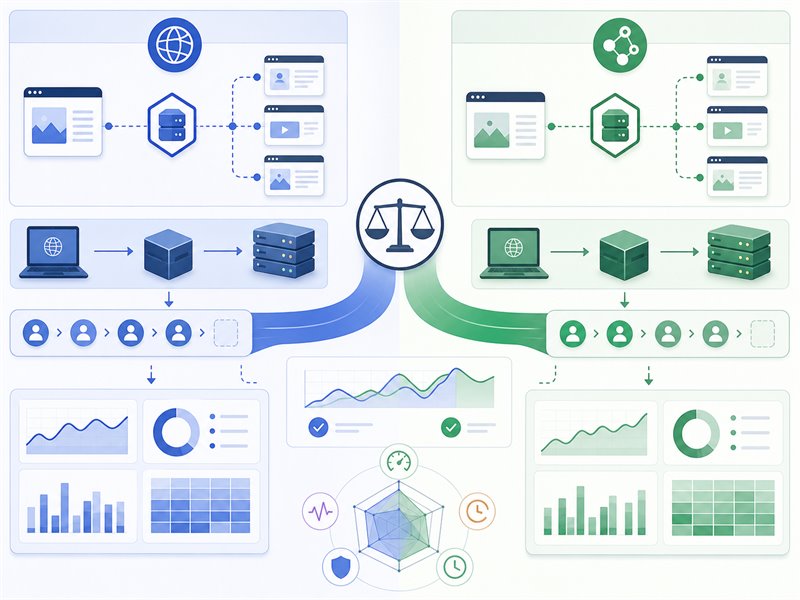
Repeatability checklist (works for both)
No matter what entry you choose, repeatability depends on the same three constraints:
- Lock one region rule per market queue.
- Use a fixed backoff policy and fixed retry limits.
- Separate page types by risk so pacing remains predictable.
A safe default if you are unsure
If you are unsure which to pick, choose the entry that lets you keep rules consistent across environments. For many teams, that means using one SOCKS5 entry for all crawlers, then enforcing region and pacing at the queue layer so changes are auditable.
FAQ
Is SOCKS5 always better than HTTP for scraping?
No. SOCKS5 is useful as a universal entry, but HTTP can be simpler for pure HTTP tooling. The best choice is the one that keeps your region and pacing constraints consistent.
Does the proxy type determine whether I get blocked?
Not by itself. Blocks are usually driven by pacing, retries, and inconsistency. A consistent entry helps you fix those constraints, but it does not replace good queue design.
What is the biggest mistake when switching proxy types?
Changing multiple variables at once: proxy type, concurrency, pacing, and region rules. Switch one variable at a time so drift and failures remain diagnosable.